

If your scalp feels itchy, dry, red, or reactive, you’re not alone. Thousands of women in the USA struggle with sensitive scalps due to harsh shampoos, weather changes, chemical treatments, aging, and allergies. The good news? The right oils can calm irritation, protect the scalp barrier, and support healthy hair growth, gently and naturally.
In this guide, we’ll explore the best dermatologist-approved oils for sensitive scalps, how to use them safely, and what to avoid if your scalp gets irritated easily.
Why Does a Sensitive Scalp Need Oil?
A healthy scalp has a strong protective barrier. But when this barrier becomes damaged, you may experience:
- Redness or itching
- Flaking or dryness
- Tingling or burning sensation
- Hair shedding or weak roots
- Sensitivity to products or fragrances
Dermatologists often recommend oils because they help to:
- Rebuild the scalp barrier
- Reduce inflammation
- Add moisture without harsh chemicals
- Support hair growth naturally
- Protect from dryness caused by weather or overwashing
Top Dermatologist-Approved Oils for a Sensitive Scalp (2026 Guide)
1. Coconut-Free Hair Growth Oil (Best for Allergic or Reactive Scalps)
Many women in the USA experience breakouts or itching from coconut-based oils. A coconut-free hair growth oil is safer for sensitive or acne-prone scalps.
Recommended: Grow Glam Hair Growth Oil — 100% natural, gentle, and allergy-friendly.
Benefits:
- Reduces redness and inflammation
- Strengthens hair follicles
- Hydrates without clogging pores
- Safe for color-treated and textured hair
2. Jojoba Oil (Closest to Natural Scalp Oils)
Jojoba oil is one of the safest options because it closely matches your scalp’s natural sebum.
Dermatologist Notes: It is non-irritating, lightweight, and ideal for daily soothing.
3. Argan Oil (Best for Dry + Sensitive Scalps)
Known as “liquid gold,” argan oil is gentle and rich in vitamin E. It calms irritation and protects against dryness, especially during winter in cities like Chicago, New York, and Boston.
4. Grapeseed Oil (Best for Oily + Sensitive Scalps)
If your scalp gets oily fast but still feels sensitive, grapeseed oil is a great lightweight alternative.
Benefits:
- Reduces dandruff caused by dryness
- Regulates oil production
- Contains natural antioxidants
5. Castor Oil (Best for Thickening + Calming)
Castor oil contains ricinoleic acid, known to reduce inflammation and promote thicker hair.
Tip: Mix with lighter oils like jojoba or argan for easier application.
6. Tea Tree Oil (Use in Small Amounts Only)
Tea tree oil helps with flaky or itchy scalps, but it should always be diluted. Direct use may irritate sensitive skin.
Which Oils Should You Avoid If You Have a Sensitive Scalp?
Dermatologists warn against these ingredients:
- Mineral oil
- Heavy silicone blends
- Synthetic fragrance oils
- Unfiltered castor oil
- Coconut oil (if allergic or acne-prone)
Avoid any oil with added perfumes, dyes, or strong essential oils.
How to Apply Oils Safely to a Sensitive Scalp
Step 1: Patch Test
Test on your inner arm or behind your ear for 24 hours.
Step 2: Warm the Oil
Warm a small amount between your hands — don’t microwave.
Step 3: Apply in Sections
Divide your scalp and apply gently with your fingertips.
Step 4: Massage for 3–5 Minutes
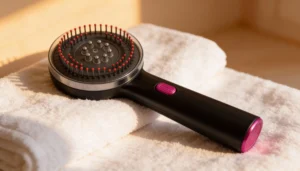
Use circular motions. A scalp massager helps improve blood flow.
Try: Grow Glam Red Light Scalp Massager
Step 5: Leave for 30–60 Minutes
Avoid leaving oils overnight if your scalp is extremely sensitive.
Step 6: Wash with a Gentle Shampoo
Use sulfate-free options to avoid stripping natural oils.
Recommended:
Grow Glam Volumizing Shampoo
Grow Glam Conditioner
Dermatologist Tips for Protecting Your Scalp Barrier
- Wash 2–3 times a week (not daily)
- Use sulfate-free shampoos
- Avoid tight hairstyles
- Reduce heat styling
- Do not scratch irritated areas
- Use sunscreens or hats in strong sunlight
When Should You See a Dermatologist?
If your sensitive scalp comes with:
- Severe dandruff
- Fungal infections
- Bleeding or sores
- Sudden hair loss
Reach out to a dermatologist in your city — especially if you live in humid climates like Florida or dry climates like Arizona.
Final Thoughts
Choosing the right scalp-friendly oils can make a huge difference in reducing irritation and supporting healthier hair. Oils like jojoba, argan, grapeseed, and dermatologist-approved blends such as Grow Glam Hair Growth Oil are safe, gentle, and effective for sensitive scalps.
Start small, stay consistent, and always listen to how your scalp reacts.
Need scalp-safe hair growth products?
Visit the official store: GrowGlam Shop
FAQs
1. What causes a sensitive scalp?
Weather changes, harsh shampoos, product allergies, stress, hormonal changes, and over-washing can all irritate the scalp.
2. Is oil good for a sensitive scalp?
Yes. Gentle, natural oils help repair the scalp barrier, reduce irritation, and hydrate roots.
3. Can coconut oil irritate the scalp?
Yes. Many people in the USA develop clogged pores or itching from coconut oil.
4. How often should I oil my scalp?
1–2 times per week is enough for most sensitive scalps.
5. What is the safest oil for sensitive skin?
Jojoba, argan, and gentle multi-oil blends are dermatologist-approved.
6. Can oils help with hair growth?
Yes. Oils improve blood flow, nourish follicles, and strengthen roots.
7. Should I wash oil out completely?
Yes. Leaving oil for too long may clog pores or cause itching.